Seattle Motor Coach Rental
54-to-56-passenger charter buses for tech-campus shuttles between downtown, Bellevue, and Redmond, Washington State Convention Center groups, Pier 91 cruise transfers, and Woodinville wine country runs. USDOT-authorized service, $5,000,000 BIPD-insured, drivers who know I-5 grades and the floating-bridge geometry across Lake Washington.

“Here you will definitely find a vehicle for every need, and we’ll be happy to serve you.”
Den Kraist, Founder of Busbie · LinkedIn
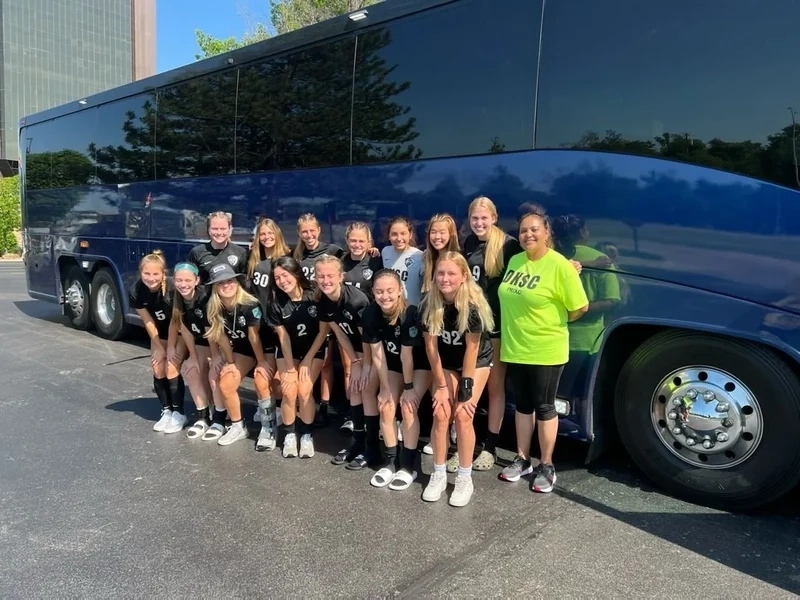
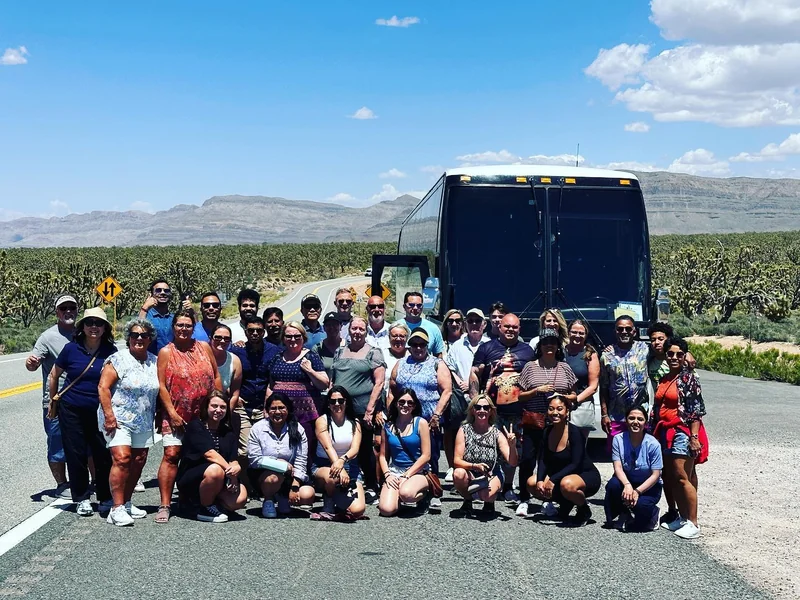
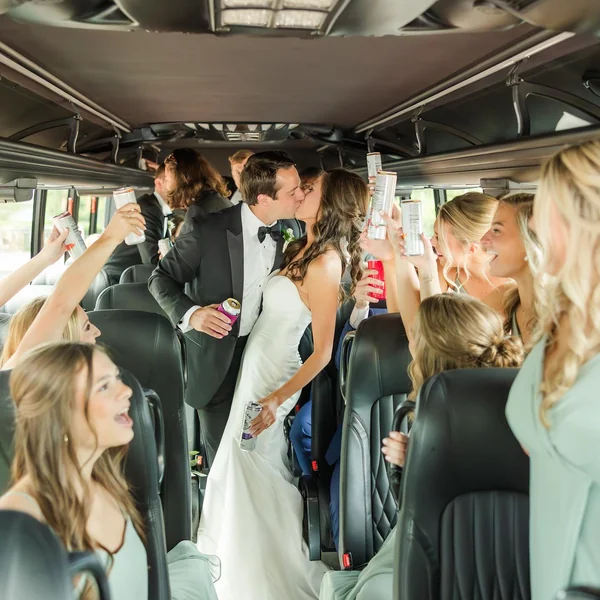
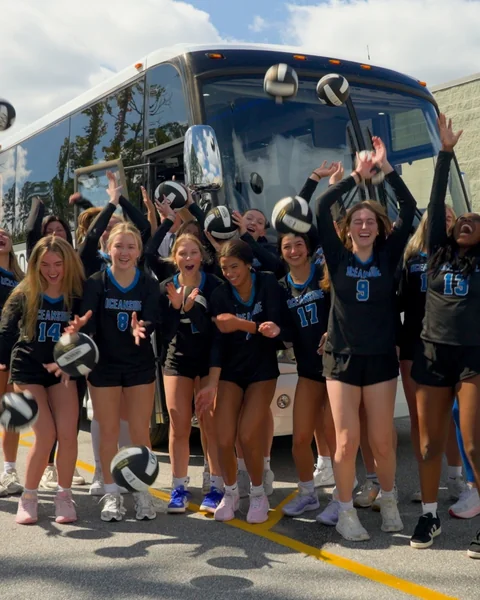
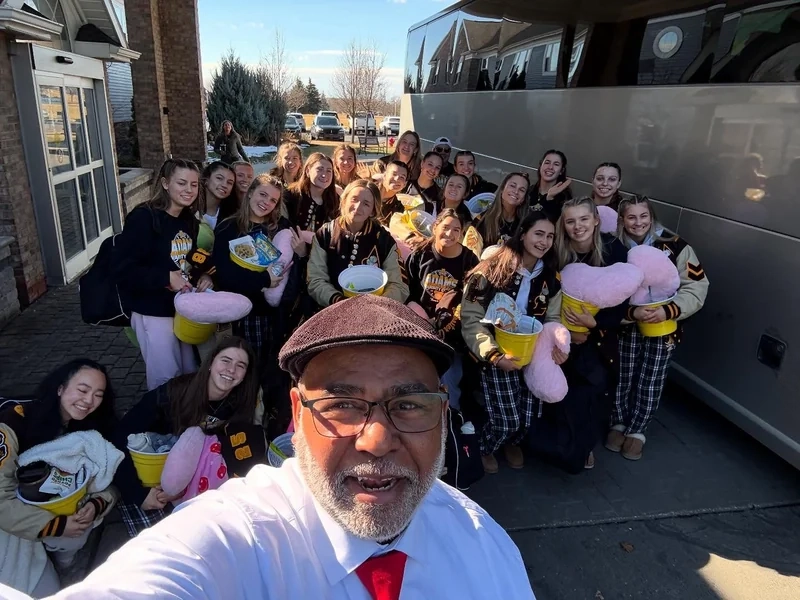
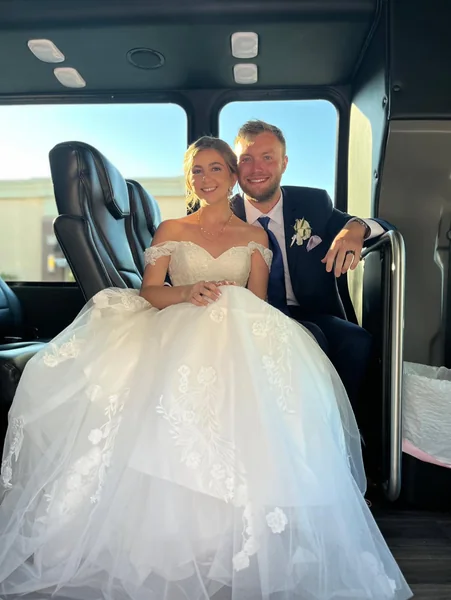
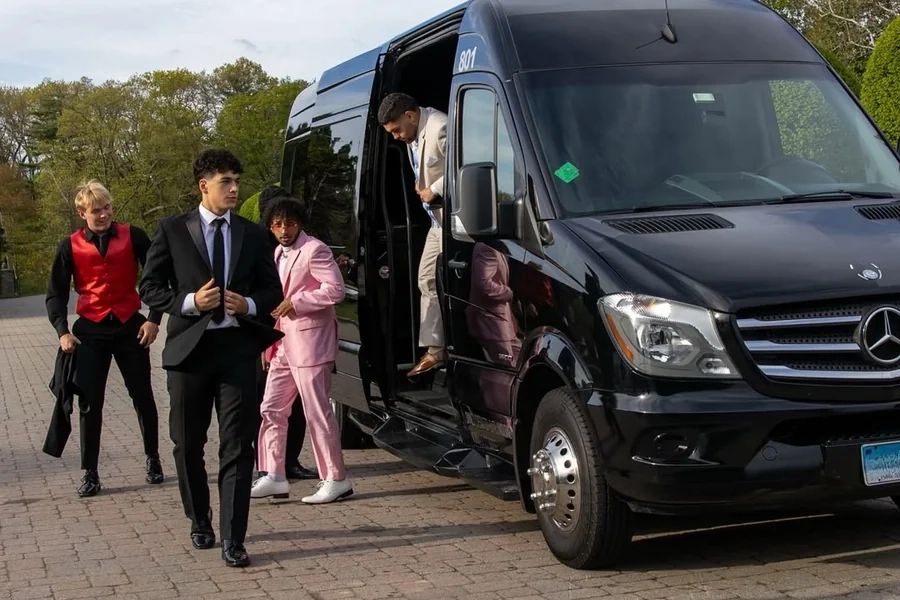
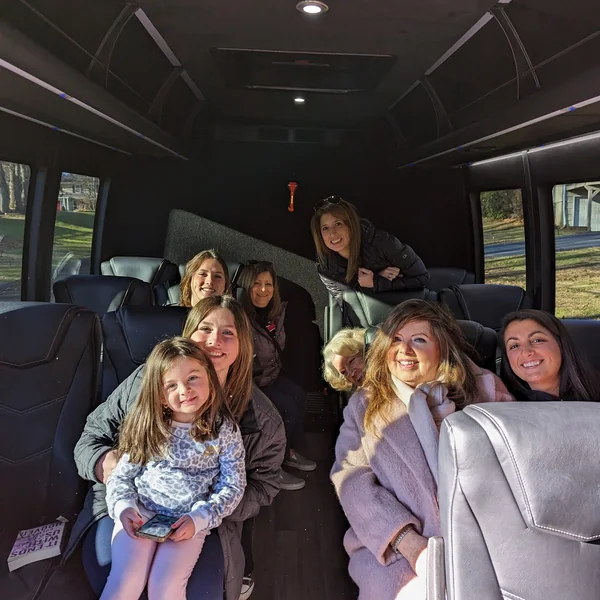
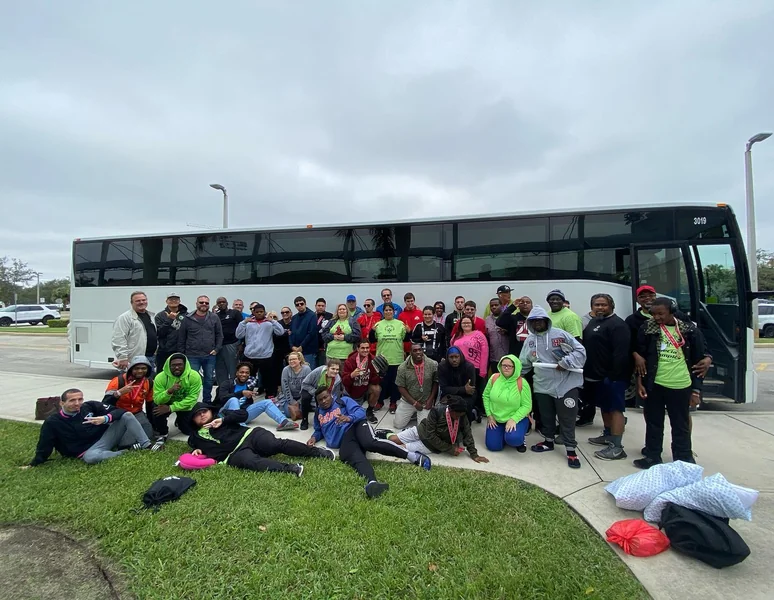
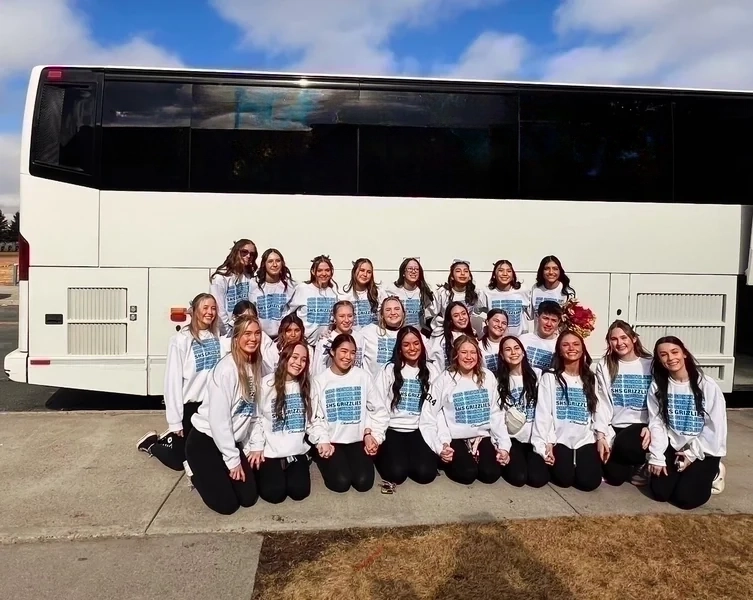
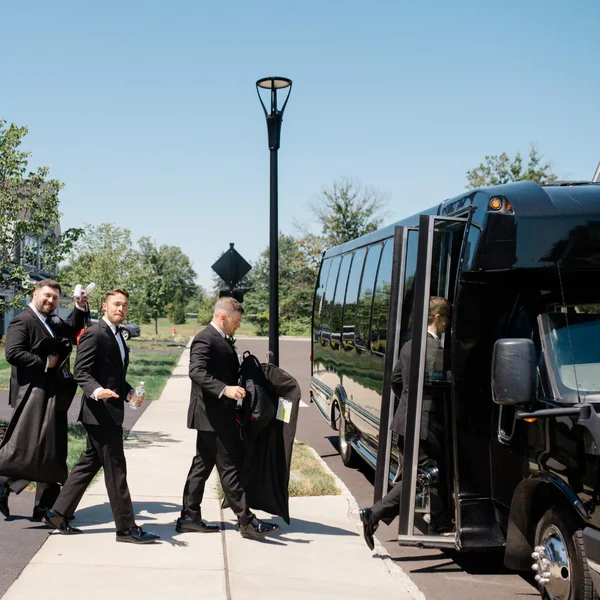
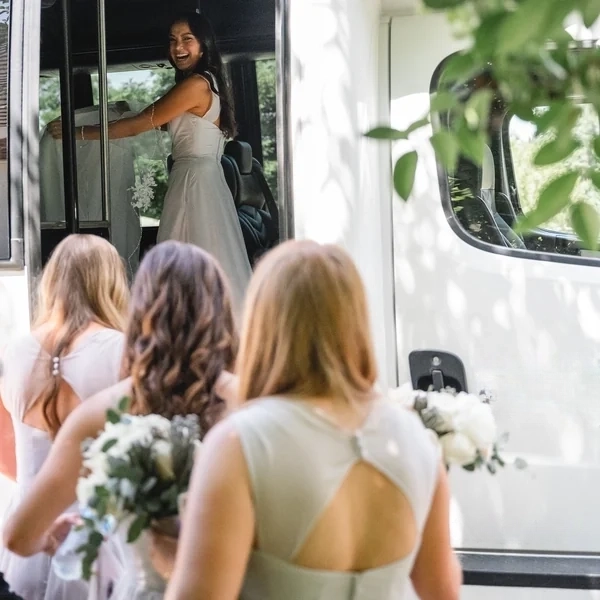
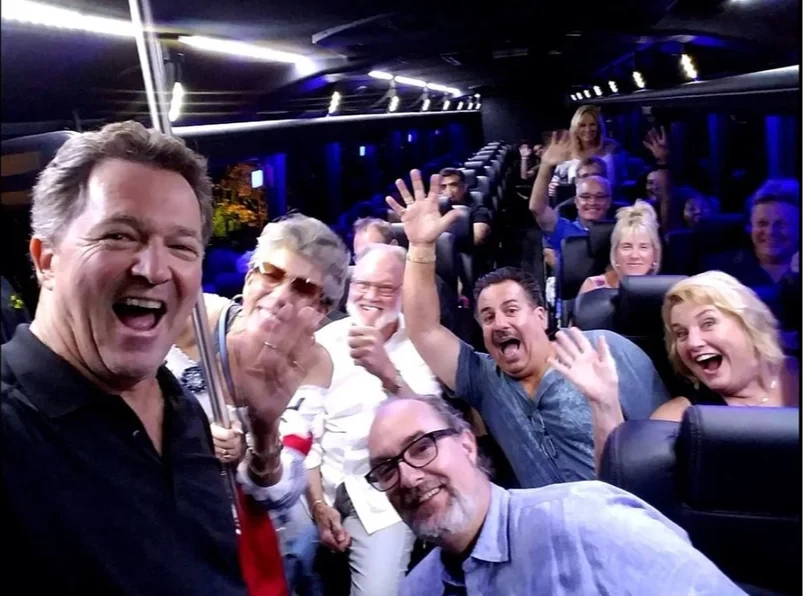
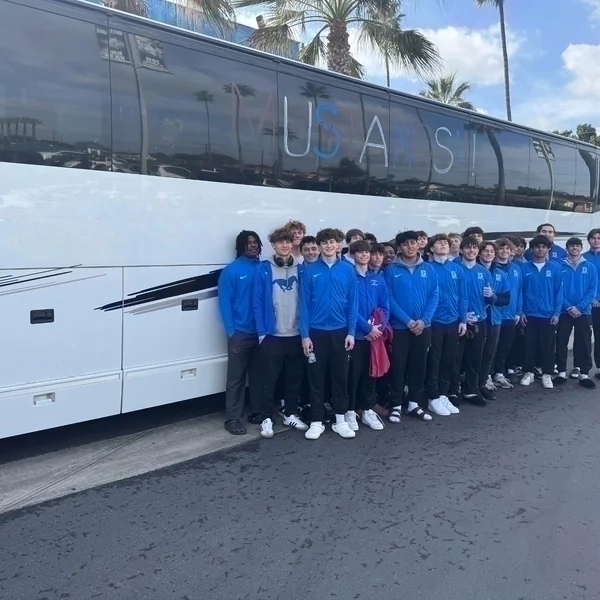
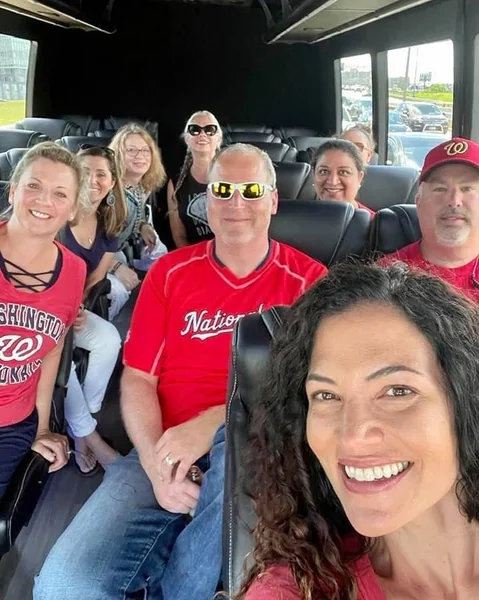
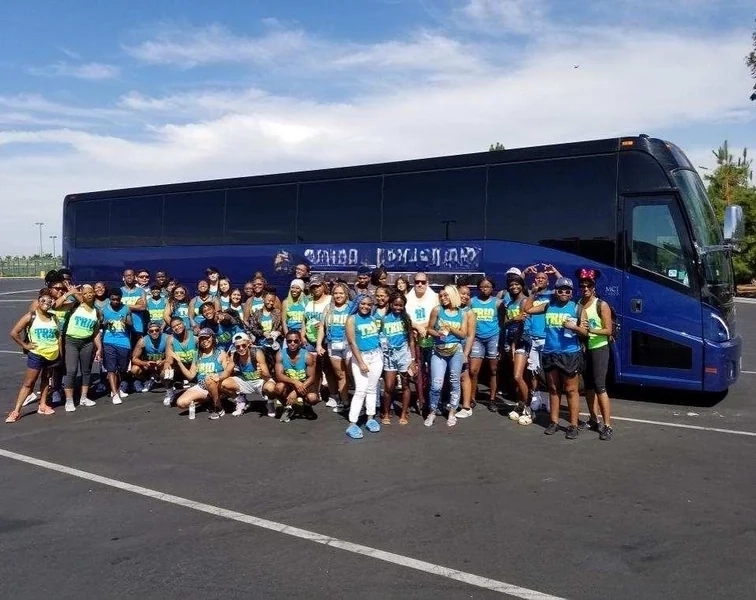
Real Smiles.
Real Rides.
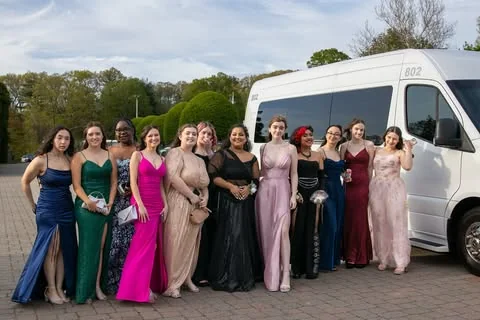
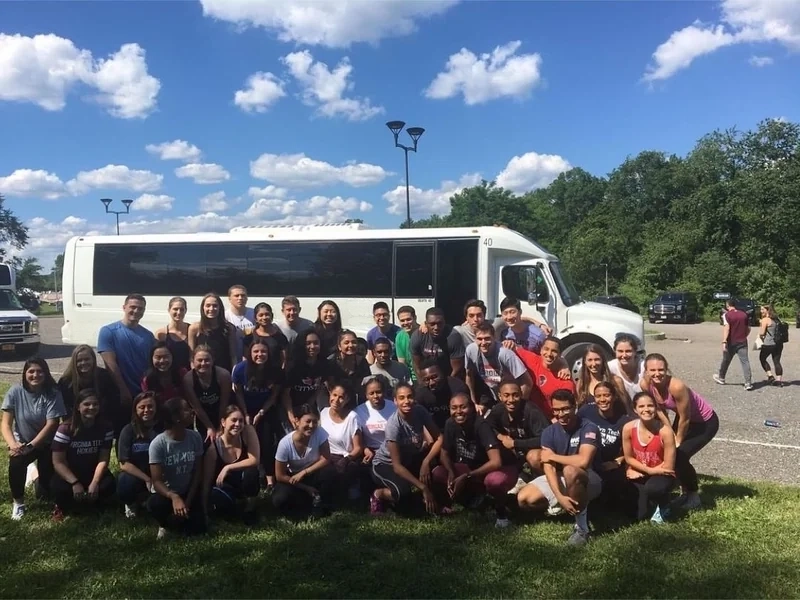
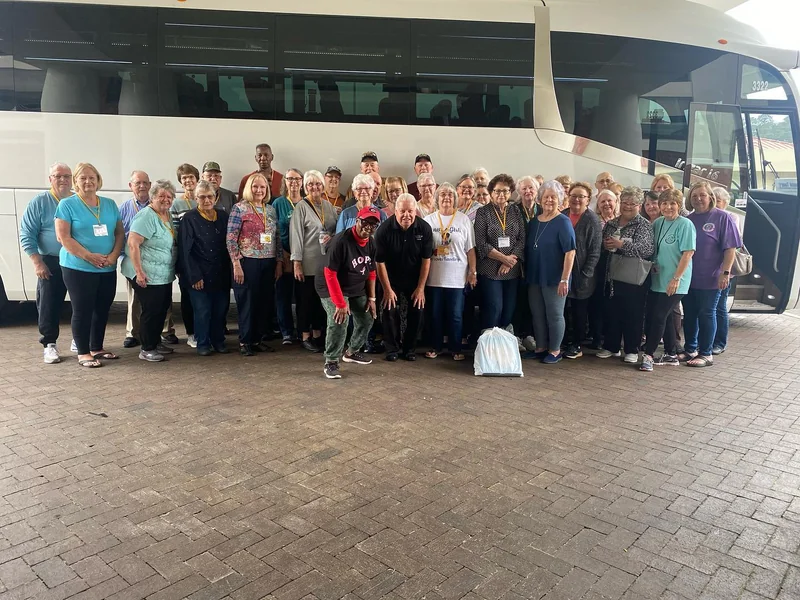
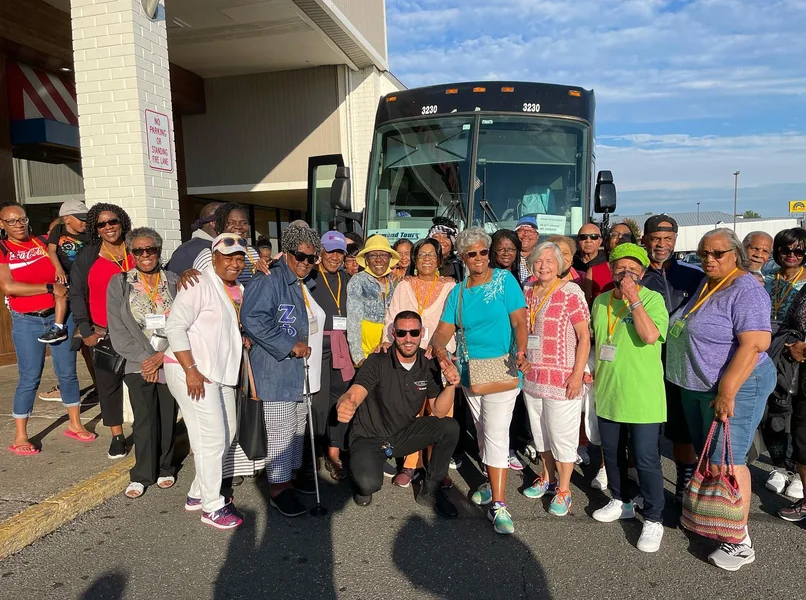
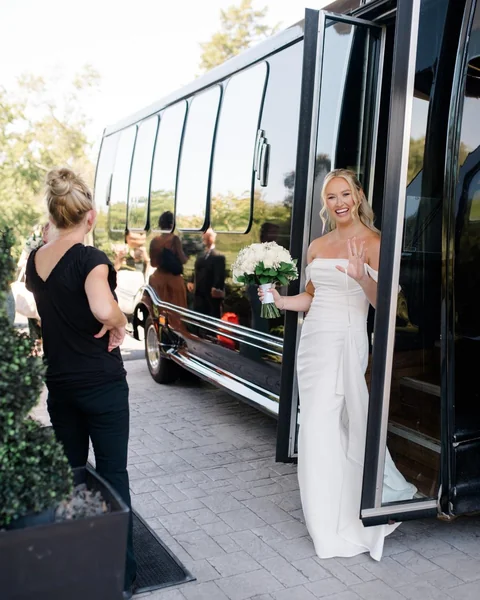
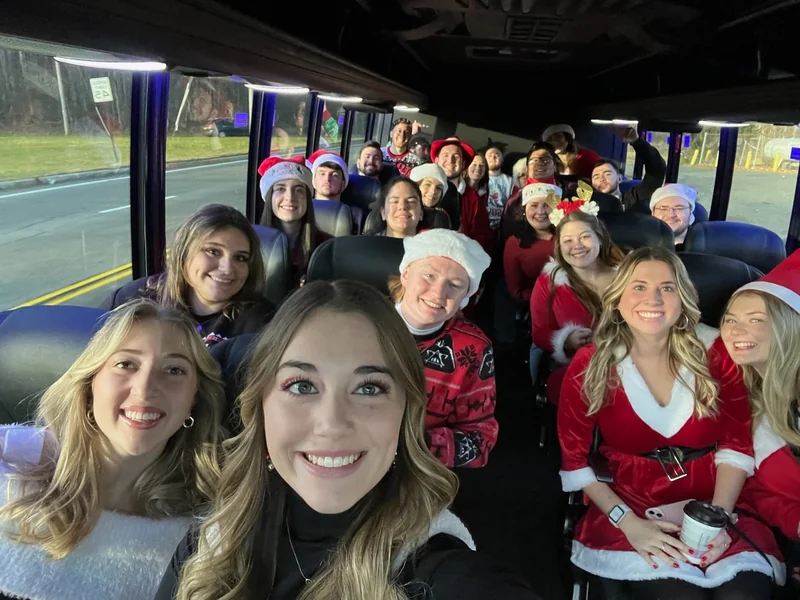
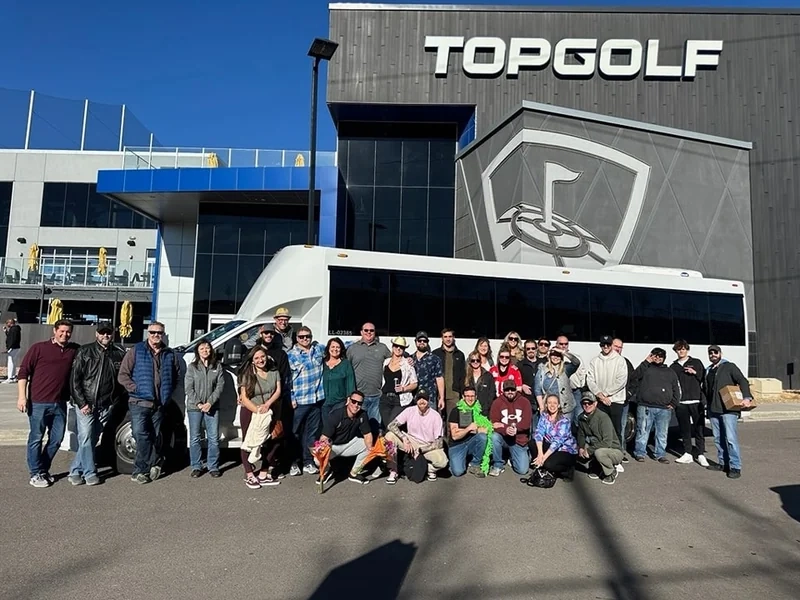
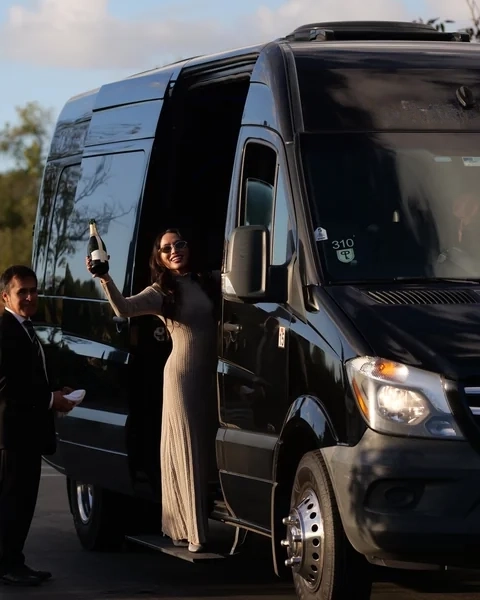
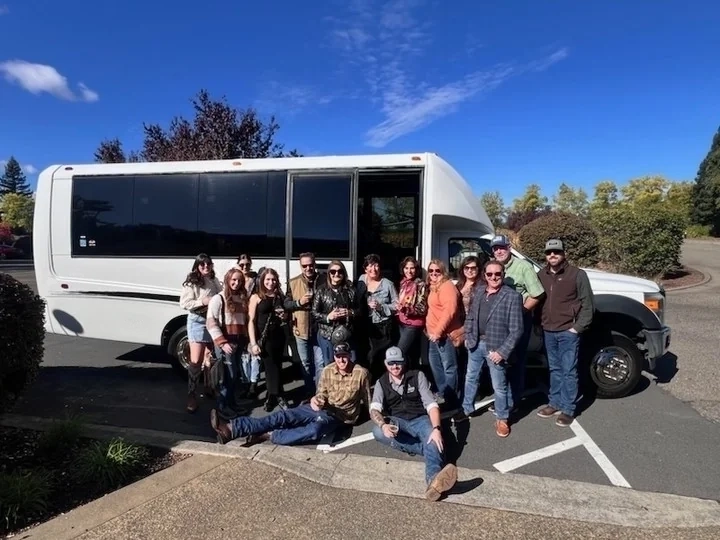
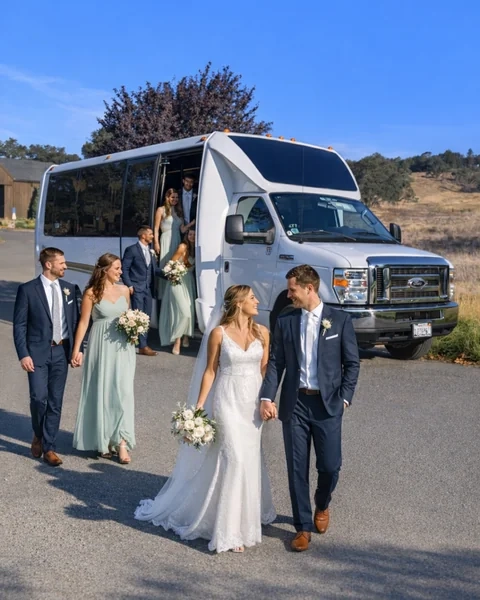
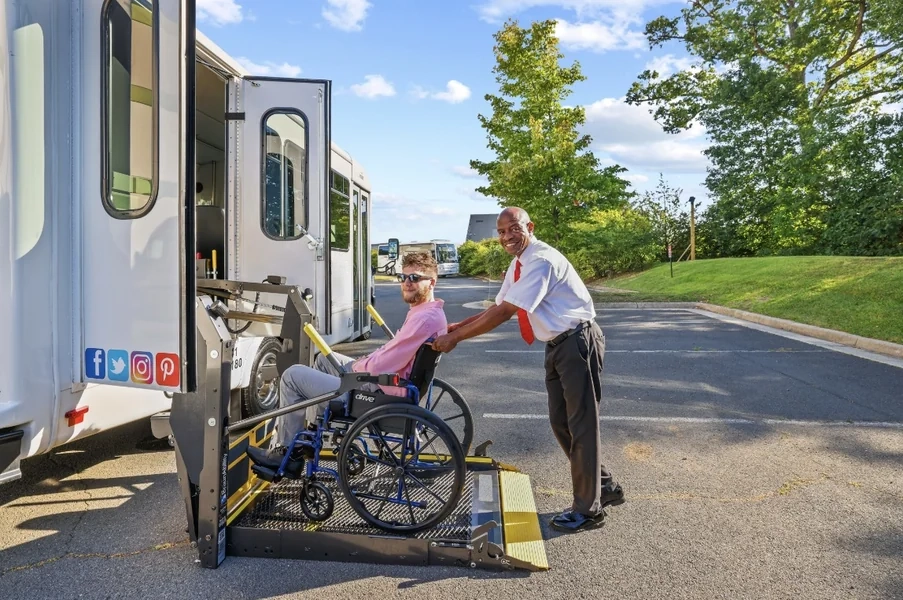
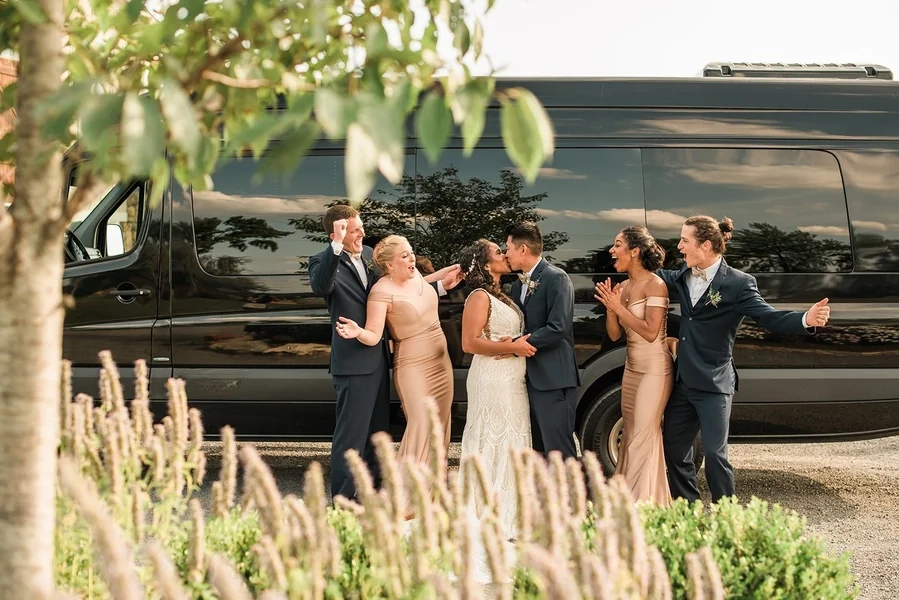
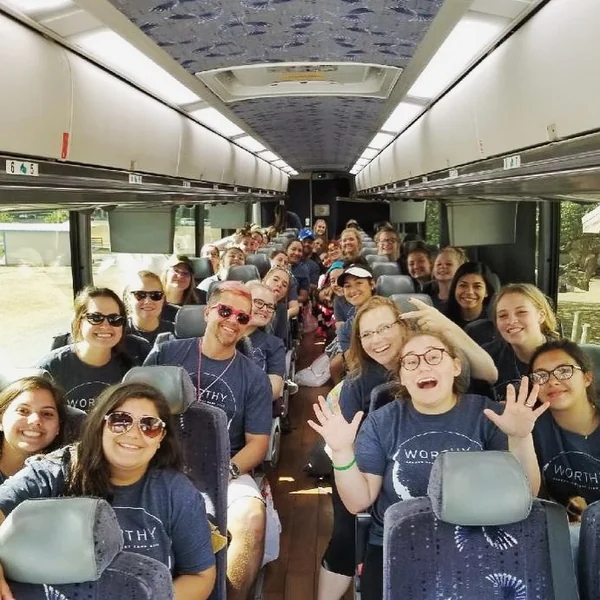
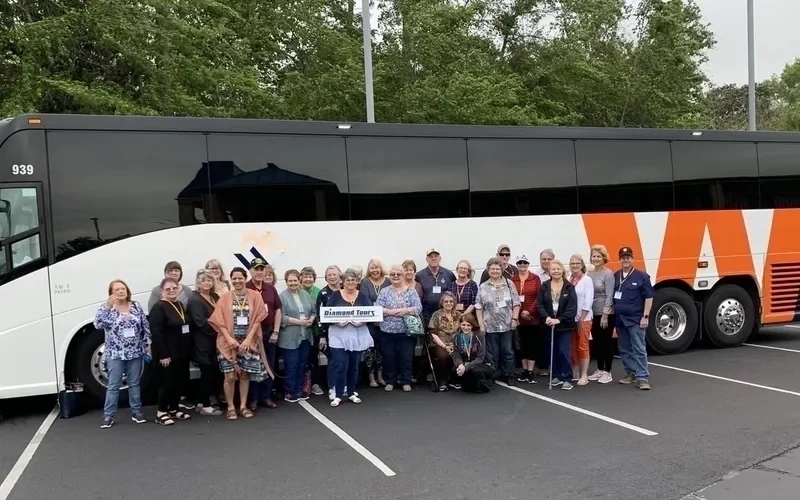
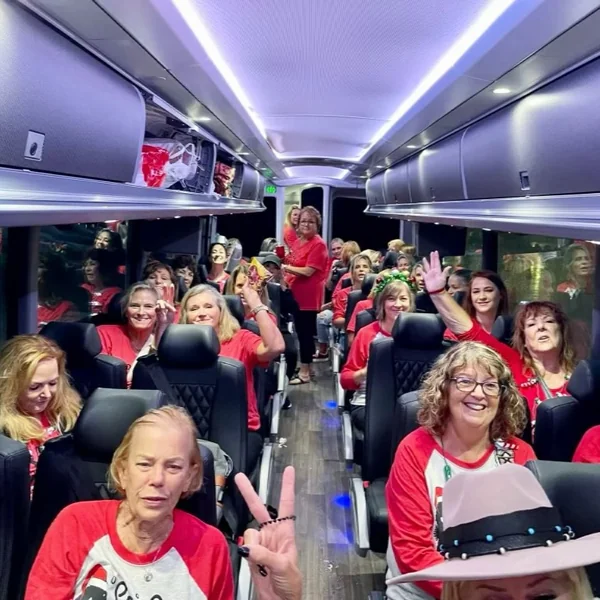
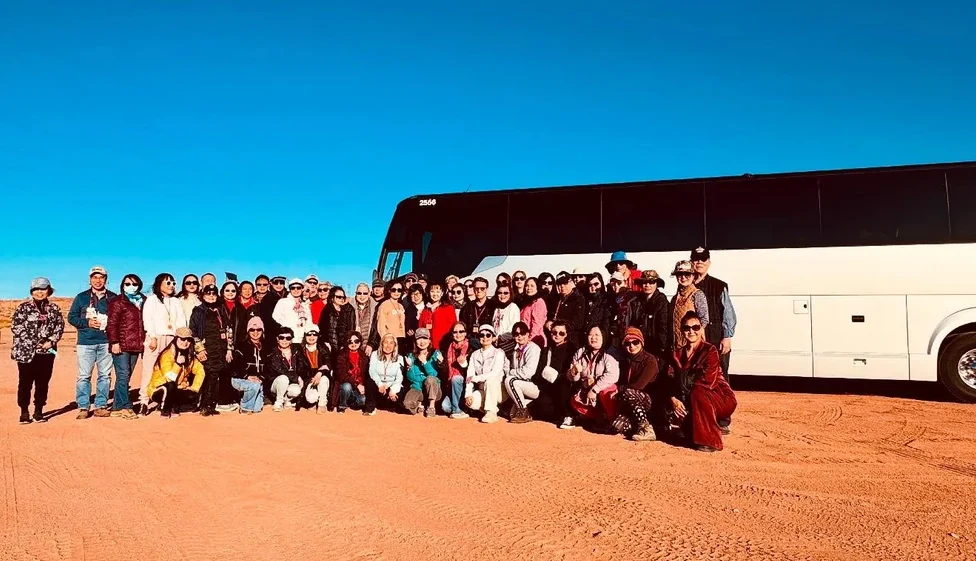

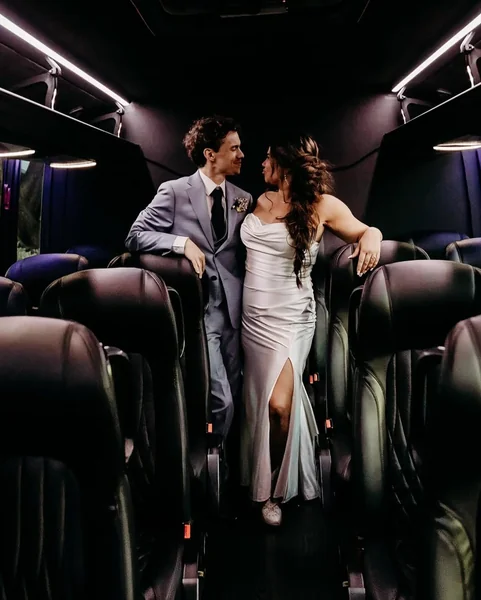
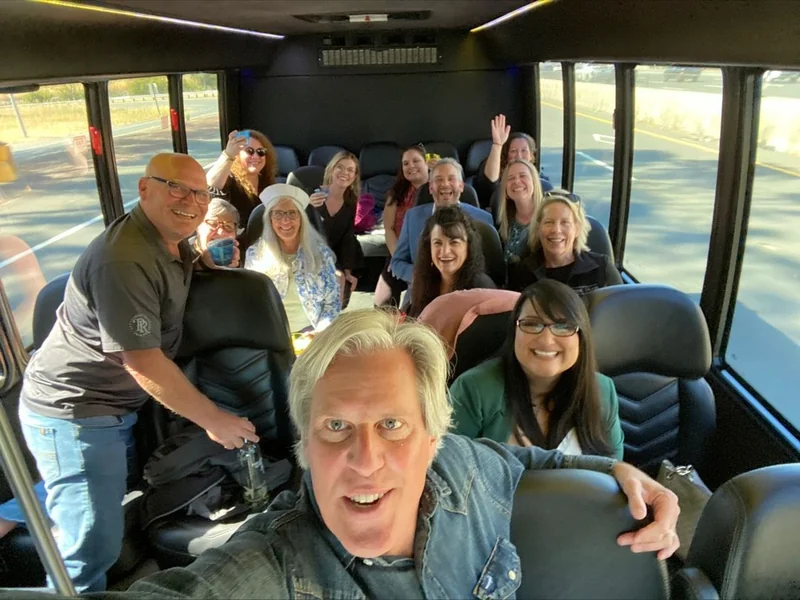
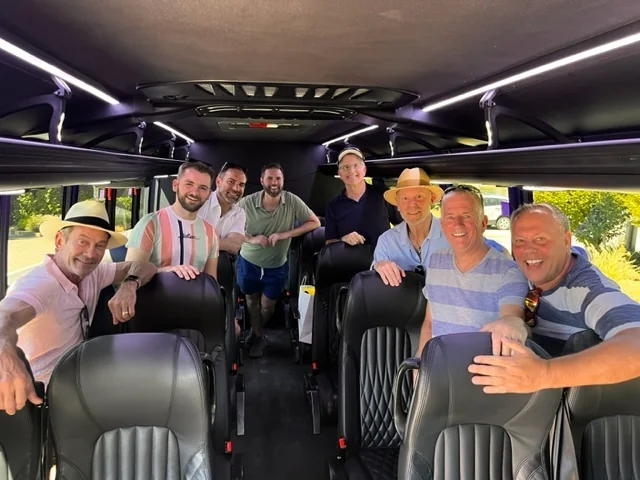
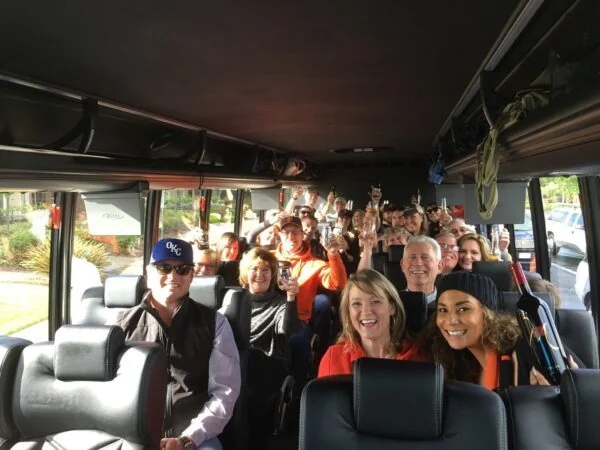
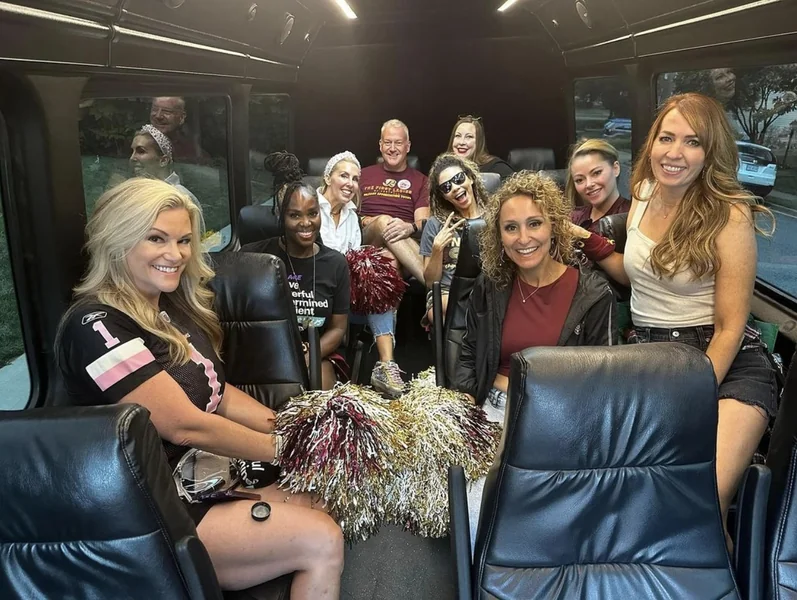
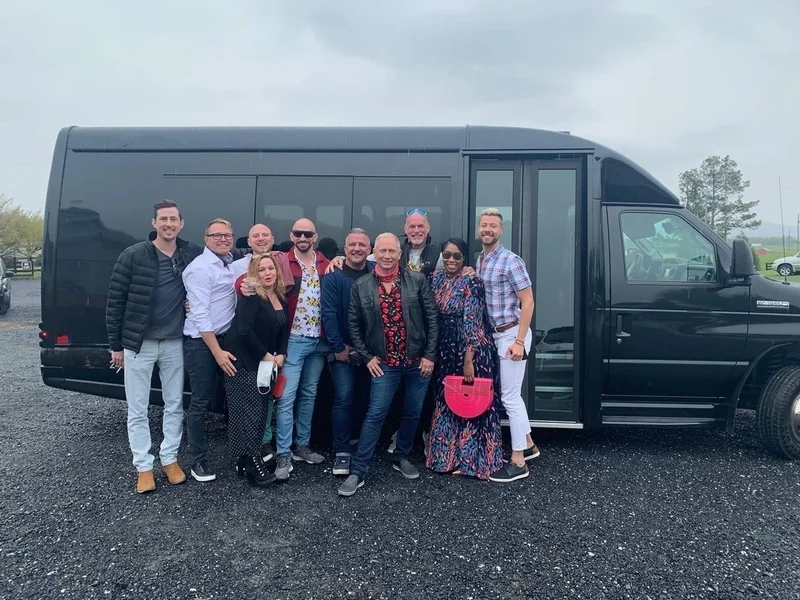
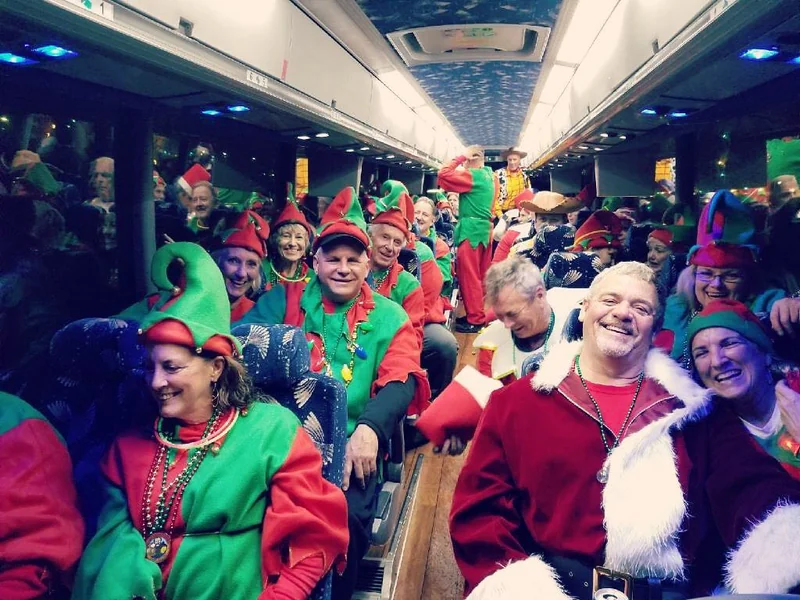
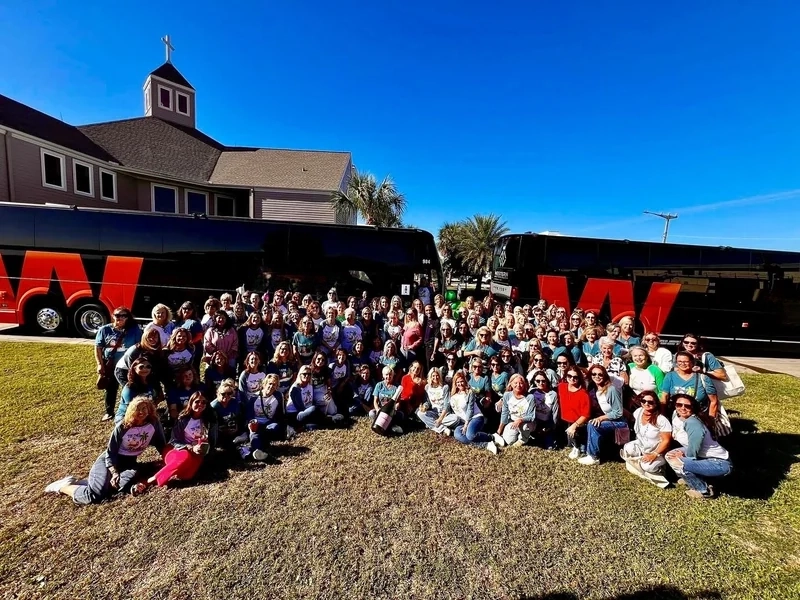
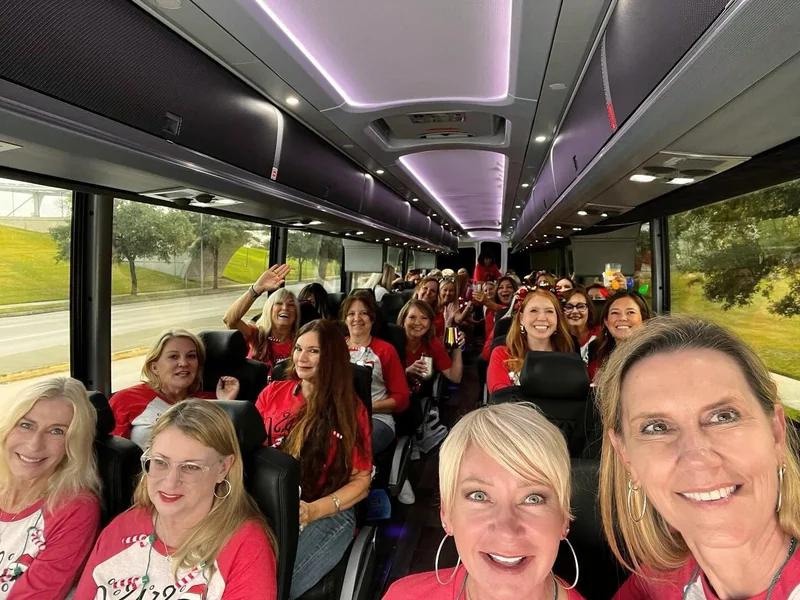
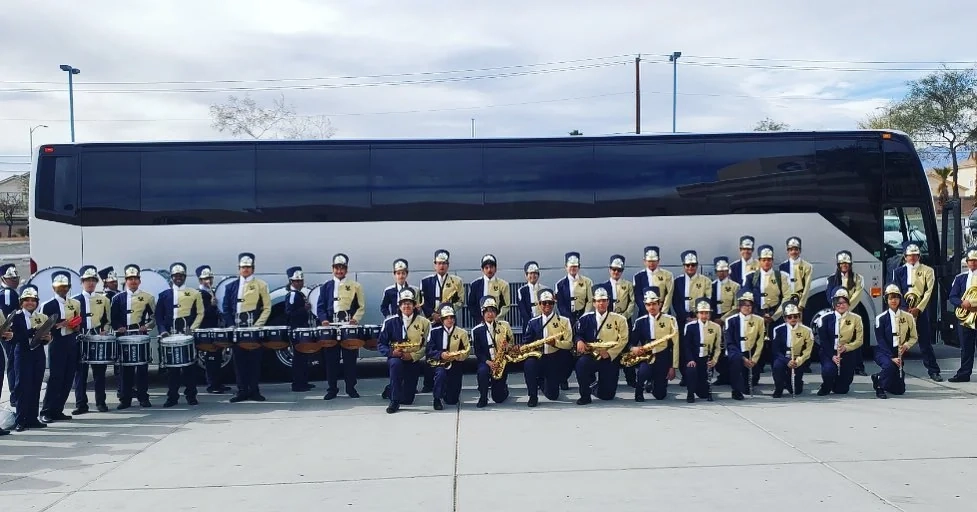
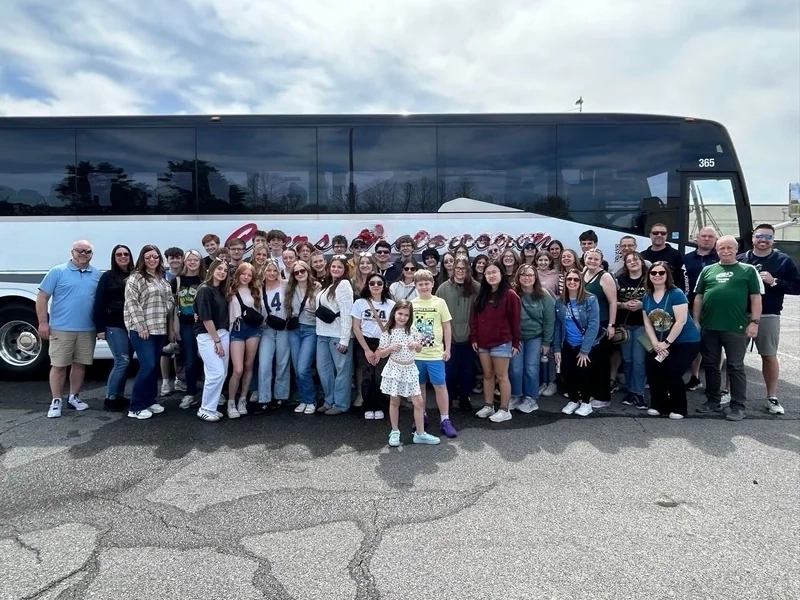
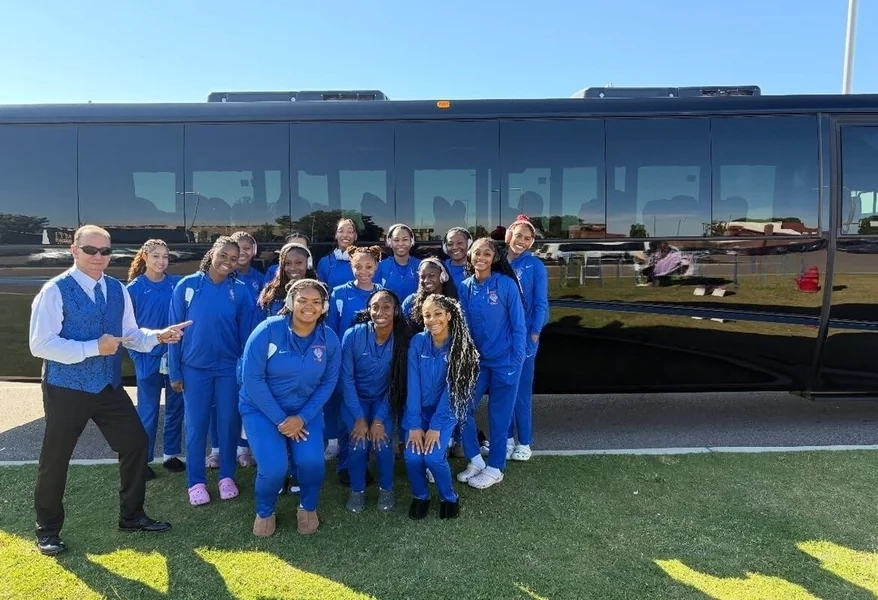
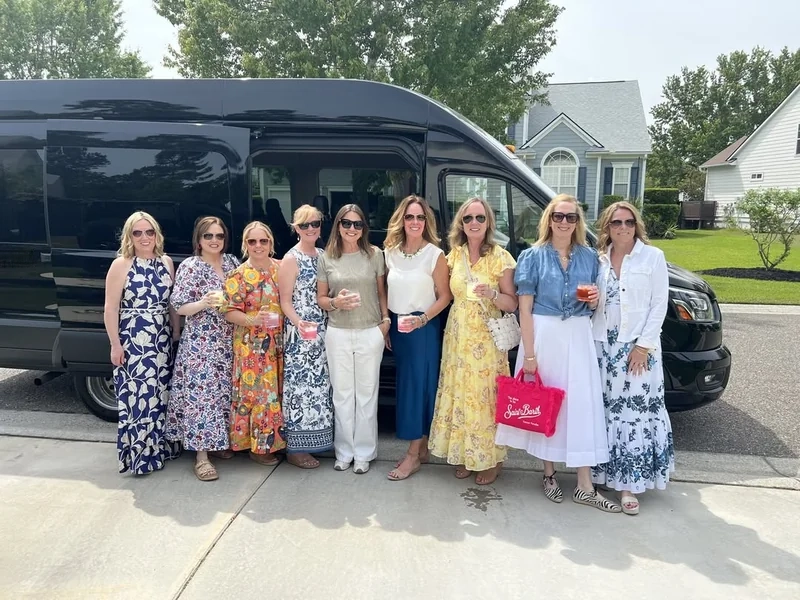
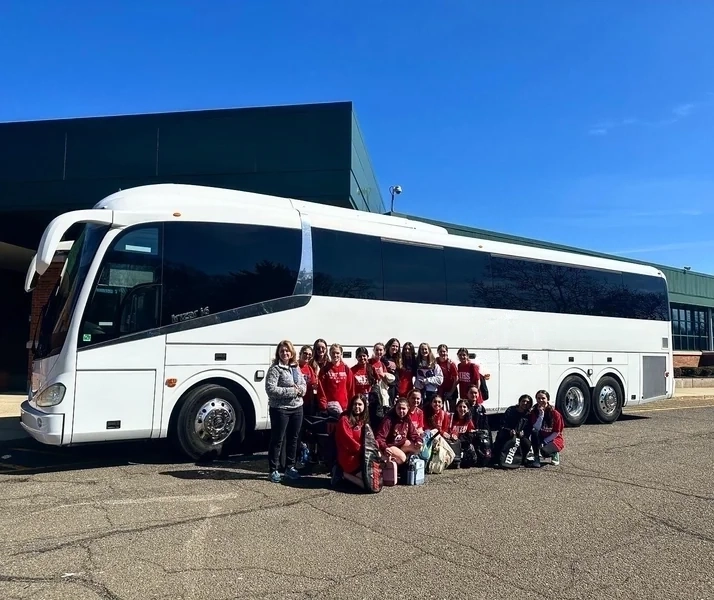
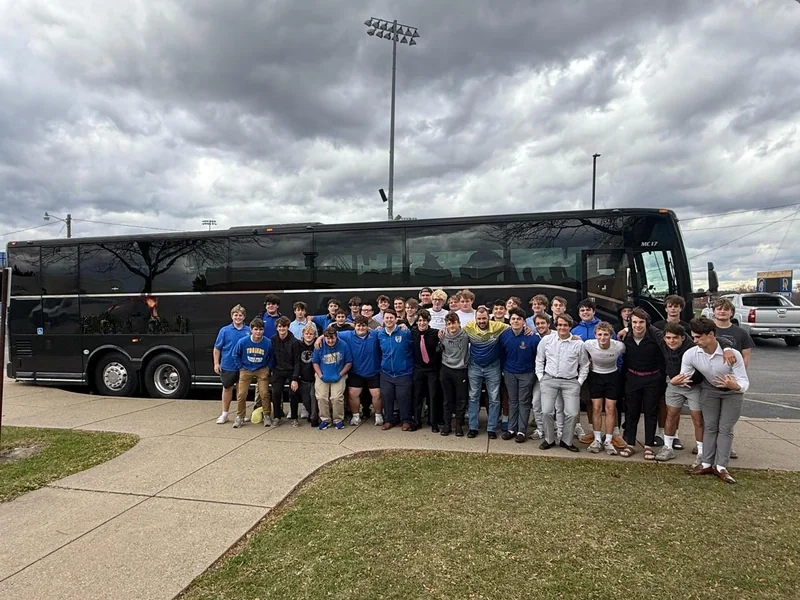
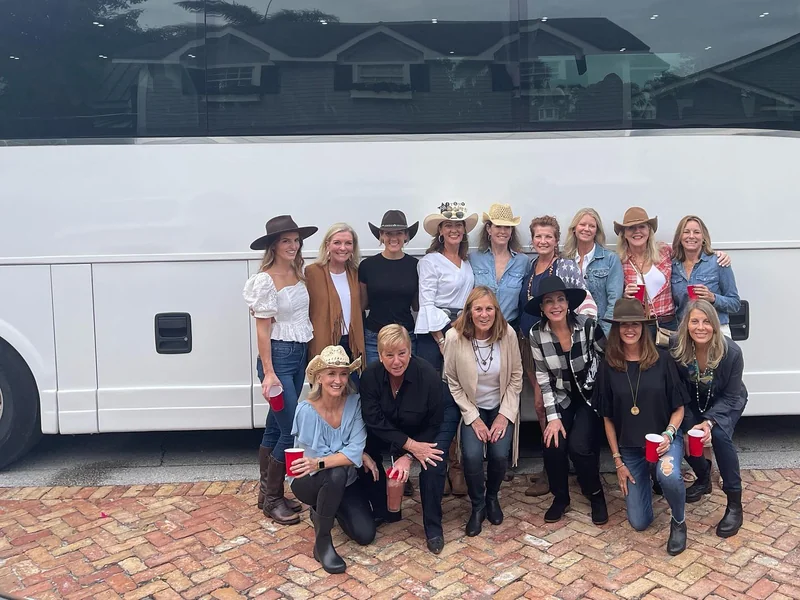
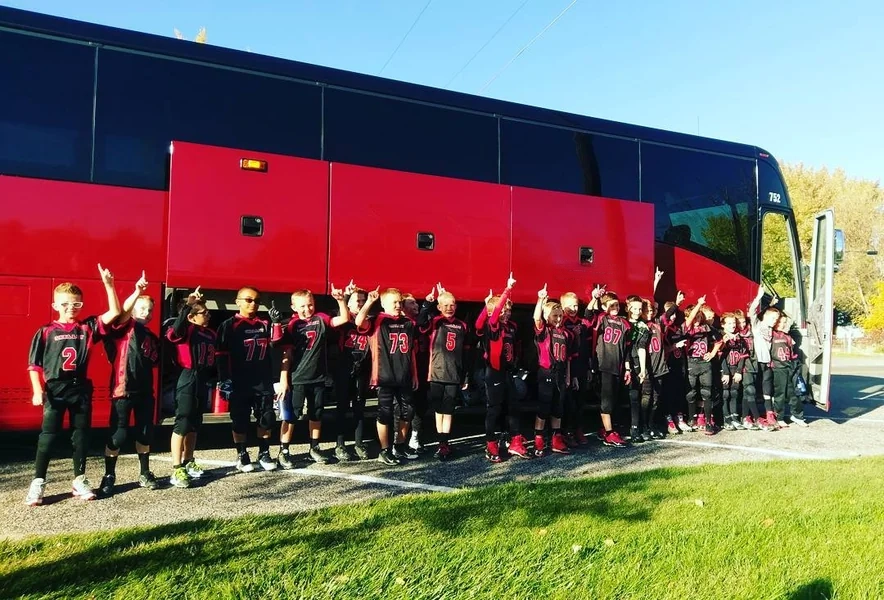

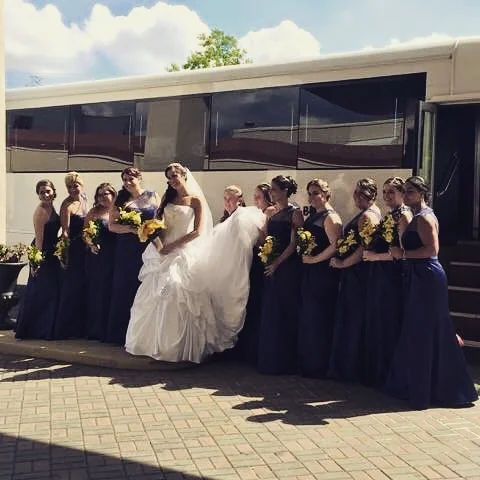
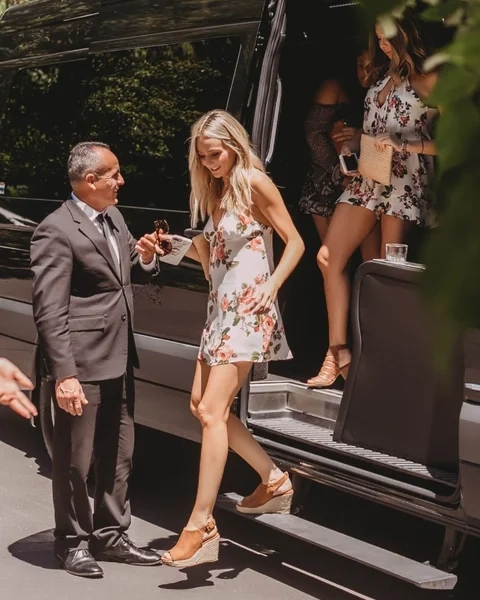
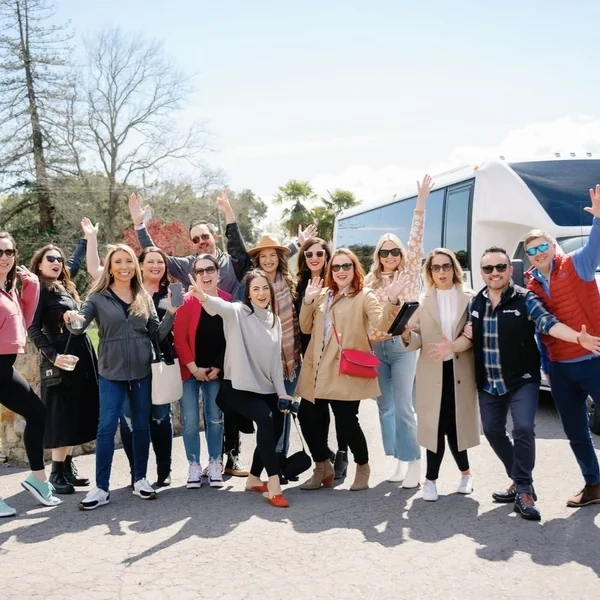
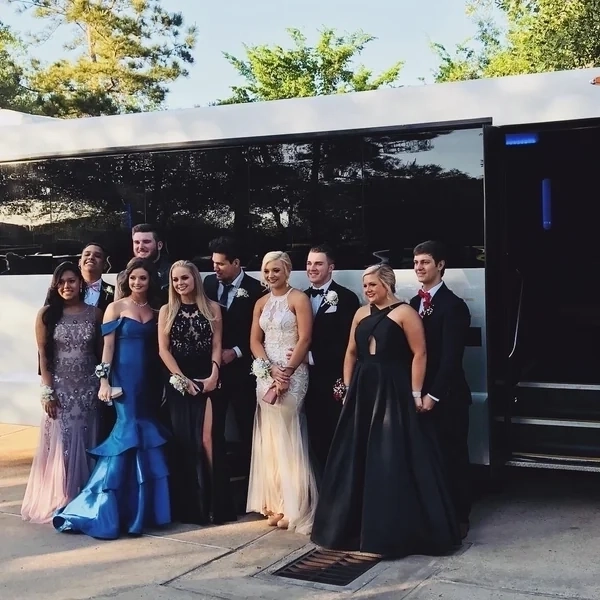
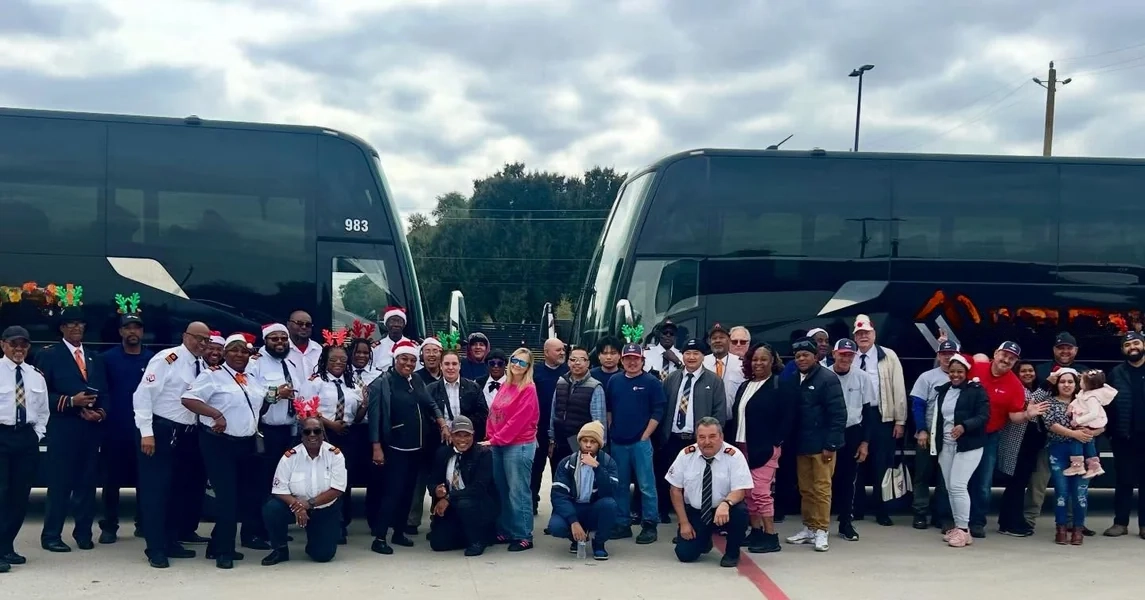
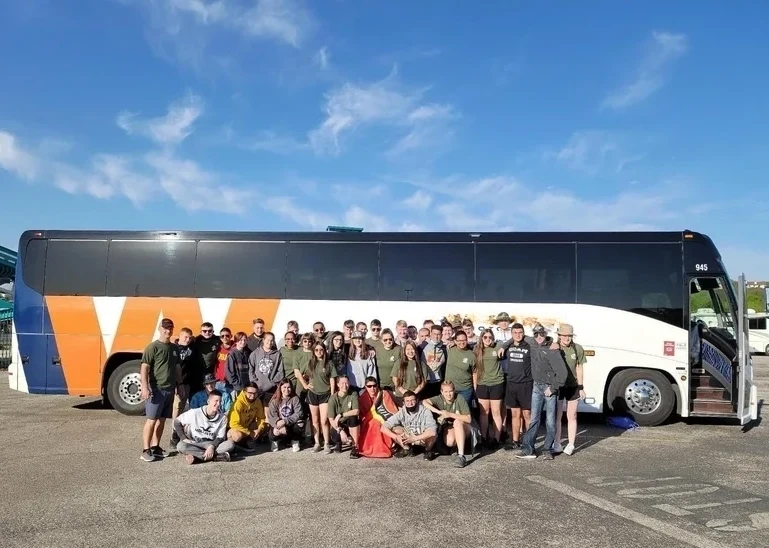
Featured Vehicles
Browse real vehicles from our nationwide fleet


What Our Clients Say
Thousands of happy customers trust us with their transportation needs
Why a motor coach is the right tool in Seattle
The Seattle metro is a multi-node region split by water. Downtown sits on Elliott Bay; the Eastside tech corridor — Bellevue, Redmond, and the Microsoft campus — sits across Lake Washington, reachable only by the I-90 and SR 520 floating bridges; and Sea-Tac Airport is twelve miles south down a chronically congested I-5. When a corporate group of forty or more needs to move between downtown hotels and an Eastside campus, or when a conference at the Washington State Convention Center has to shuttle attendees from properties scattered across the urban core, the full-size motor coach is almost always the correct call. Smaller vehicles end up running multiple loops across the bridges in exactly the traffic windows everyone else is fighting.
Busbie sources vehicles through its Seattle vendor network, puts a professional driver behind the wheel for the full assignment, and keeps the whole group together across every leg — campus to convention to dinner — rather than scattered across rideshares that surge the moment a Seahawks game lets out at Lumen Field or a keynote ends downtown. The coach is the moving base camp: underbus luggage holds for cruise bags and offsite gear, reclining seats for the airport run at 5 a.m., and a driver who has crossed the 520 bridge in the Friday-afternoon crawl enough times to build the real travel window into your schedule rather than the optimistic one.
What a 45-foot coach does not do well is climb the tight, steep residential grades of Queen Anne and Capitol Hill or thread the narrow waterfront streets near Pike Place Market. Those legs are better served by a smaller shuttle, and we plan around the constraint instead of pretending it isn't there — it's the part of the job that determines whether your day runs on time.
Best occasions for a Seattle motor coach
Tech-campus corporate shuttles. This is the defining use of the Seattle charter market. Companies running all-hands events, recruiting weekends, customer summits, and intern programs move people daily between downtown and Bellevue hotels and the Redmond campuses. The math against rideshares stops working at about twenty-five passengers, and the SR 520 and I-90 bridge crossings make a single coordinated coach far more reliable than a swarm of individual cars hitting the bridge tolls and the chokepoints separately. We hold the coach at the campus between sessions rather than running empty back-and-forth loops.
Washington State Convention Center groups. The WSCC (Summit and Arch buildings) sits on the downtown grid and draws conferences that move thousands of attendees through the urban core at once. Shuttle runs from downtown and Belltown hotel blocks to the convention center, and from there to evening event venues, are a regular part of the Seattle calendar. We route around the WSCC load-in and load-out schedules rather than into them, and we know which curb zones a coach can legally use downtown.
Pier 91 cruise-port transfers. The Smith Cove Cruise Terminal at Pier 91 in Interbay is Seattle's main Alaska-season embarkation point from May through September. Groups flying into Sea-Tac and embarking the same day book a coach with underbus holds for the luggage, because moving forty cruise passengers and their bags from the airport up to Pier 91 in cars is genuinely impractical. We coordinate the terminal's commercial drop-off staging in advance so the group unloads where the porters are, not three blocks away.
Woodinville wine country runs. Woodinville, roughly twenty-five miles northeast of downtown, is the Eastside's wine-tasting district — dozens of tasting rooms in a compact area, and a natural full-day group outing for corporate offsites, birthdays, and wedding-weekend guests. A coach lets the entire group taste together without anyone driving the SR 522 and Woodinville-Redmond Road back afterward. This is the run where keeping a designated professional driver matters most.
Seahawks and Sounders game days at Lumen Field. Lumen Field and the adjacent T-Mobile Park sit in SoDo just south of downtown, and the stadium district has established commercial coach staging procedures. We know which approaches work on game day, where to stage during the match, and how to time the post-game pickup so your group isn't the last one fighting the SoDo and I-5 onramp gridlock out.
Scenic group tours to Mount Rainier and the ferries. Mount Rainier is about ninety-five miles south, roughly a two-hour drive, and a popular full-day group destination. Seattle's other signature group trip is the ferry system — Bainbridge, Whidbey, and the San Juan routes — where a coach drives onto the ferry as a single vehicle and the group stays together for the crossing. Both are quoted with the real round-trip drive time built in, including the ferry-queue waits in summer.
What Seattle specifically does to a motor coach trip
The floating bridges and the Eastside crossing govern everything. Every trip between downtown and the Bellevue-Redmond tech corridor crosses Lake Washington on either I-90 or SR 520, and both bridges back up hard in the commute windows. SR 520 is tolled, and the toll plus the predictable afternoon congestion is exactly why a single coordinated coach beats a fleet of cars for a campus shuttle. We build the real bridge-crossing window into every Eastside quote — the actual drive time at 4:30 p.m. on a Thursday, not the clear-Sunday number.
I-5 through downtown and south to Sea-Tac is a chronic chokepoint. The I-5 corridor through the city center and the twelve miles south to the airport are among the most congested in the region. Morning airport runs are timed to depart before the southbound crush or after it clears; we don't promise a forty-minute trip when the road reliably delivers seventy.
Steep grades and narrow waterfront streets limit where a coach can physically go. Queen Anne, Capitol Hill, and the Pike Place Market waterfront have grades and street widths that a 45-foot coach cannot safely or legally work. For itineraries touching those areas, the standard plan is a drop-and-reposition: the coach drops on a viable arterial, repositions to a legal staging area, and returns at a scheduled time, with a smaller shuttle handling the tight final leg when needed.
Pier 91 and the stadium district have specific commercial staging zones. The Smith Cove terminal and the Lumen Field / T-Mobile Park complex both have designated commercial vehicle areas distinct from general parking. We pre-coordinate the exact drop-off and pickup point on every cruise transfer and game-day booking so the group has a confirmed meeting spot rather than a scavenger hunt.
Rain is the constant, not the exception. Seattle's long wet season — roughly October through May — doesn't shut anything down, but it changes the calculus. Standing on a downtown curb or an open stadium lot in steady Pacific Northwest rain is the experience a coach is built to eliminate: the group boards under cover, stays dry between venues, and the driver handles the wet-road I-5 grades. We plan covered drop-offs wherever a venue offers one.
The seasonal peaks are sharp. Alaska cruise season (May-September) drives Pier 91 demand; the summer convention calendar fills the WSCC; tech-company recruiting and summit season clusters in spring and fall; and the Seahawks and Sounders schedules concentrate game-day demand into specific autumn and summer dates. Each peak puts pressure on a specific corridor — the cruise terminal, the downtown grid, the Eastside bridges, or the SoDo stadium approaches — at specific hours.
How a motor coach compares to other vehicles in Seattle
Three numbers decide the right vehicle: head count, distance, and street access.
Motor coach (54-56 passengers). Best for groups of 40 or more, longer distances, highway and bridge routes, and venues with coach-friendly drop-offs — the WSCC, Pier 91, Lumen Field, Eastside campuses, Woodinville, Mount Rainier. Underbus luggage holds make it the only sensible pick for any cruise transfer or overnight trip.
Mini bus (24-35 passengers). Best for groups of 20-35, downtown access, the steep Queen Anne and Capitol Hill grades, and venues where a full coach physically can't reach the door. We frequently pair a mini bus with a coach — coach for the airport-to-hotel and Eastside legs, mini bus for the tight waterfront or hillside final leg.
Executive van or sprinter (10-14 passengers). Sea-Tac transfers for a small team, an executive group between downtown and a single Eastside campus, point-to-point in heavy traffic. More comfortable than a coach for a small group on a short run.
If your group is under fifteen and you don't need the luggage hold, a van or mini bus is more comfortable and reaches doors a coach can't. If you're forty-plus with bags heading to Pier 91 or running a campus shuttle across the bridge, take the coach. We'll tell you honestly when going one tier down saves money without compromising the trip.
What a Seattle motor coach actually costs
Motor coach rentals in the Seattle metro run roughly $180-$280 per hour for a standard 54-56 passenger coach, typically with a five-hour minimum on local work, and a per-day rate for full-day charters like Woodinville, Mount Rainier, or multi-stop convention shuttles. Cruise-transfer and airport runs are often quoted per-trip rather than hourly. The anchor for the market sits near the metro's going rate for full-size coaches; the figure moves with the date and the routing.
What moves the price up:
- Alaska cruise season (May-September). Pier 91 transfer demand peaks and the fleet tightens on embarkation days.
- Summer and fall convention weeks at the WSCC. Citywide downtown demand compresses availability.
- Tech-company summit and recruiting season (spring and fall). Large multi-coach campus-shuttle bookings absorb fleet capacity.
- Seahawks and Sounders home dates. Game-day SoDo demand reflects citywide pressure.
- Bridge tolls and dead-head. SR 520 tolls and a coach starting from a depot far from your pickup add to the routing cost.
What keeps the price reasonable:
- Weekday off-peak bookings outside the commute windows.
- Winter and early-spring shoulder weeks between the major event clusters.
- Lead time of three to four weeks — and significantly more for cruise-season embarkation days and large convention shuttles.
We quote in ranges, not single numbers, because two trips with the same head count can differ on the date, the bridge tolls, the dead-head distance, and how the routing crosses the lake. Get the actual quote before comparing — and tell us if your date lands inside cruise season or a convention week.
What to verify before you book any Seattle motor coach
USDOT authorization and active operating status. Any commercial passenger vehicle running charter service must hold an active USDOT number. Verify it on FMCSA's SAFER lookup before you book.
BIPD insurance at the right figure. Charter coaches over 15 passengers carry $5,000,000 BIPD liability under FMCSA 49 CFR 387.33. Smaller vans under 15 seats carry $1,500,000. Some local outfits run on minimum auto-policy coverage that wouldn't cover a serious incident. Ask for the certificate of insurance before you sign.
Driver CDL with passenger endorsement and hours-of-service. A vehicle rated over 15 passengers requires a Class B CDL with a passenger (P) endorsement. Federal rules also cap commercial drivers at 10 hours of driving and 15 on duty in a day — a full Mount Rainier or San Juan day plus an evening event can approach that limit, and the schedule has to be built around the rules, not against them.
Venue-specific staging plan. Ask specifically: where does the coach stage at Pier 91 for a cruise embarkation? Where does it load at Lumen Field after a Seahawks game? Where can it legally pick up near the WSCC downtown? An operator who hasn't pre-coordinated these will give you a vague answer — and your group will be the one standing in the rain.
When you book directly with us, all of the above are pre-cleared.
Why book your Seattle motor coach directly with us
Busbie sources vehicles through its Seattle vendor network and operates as a direct charter service — one contact for the driver, the vehicle, and the staging logistics for the entire assignment. When you call us, you're talking to the team that builds the real SR 520 crossing time into your campus shuttle, pre-coordinates the Pier 91 cruise-terminal drop-off, and routes the Woodinville day around the actual SR 522 traffic rather than the map's optimistic estimate.
Insurance is $5,000,000 BIPD for charter coaches over 15 passengers and $1,500,000 BIPD for smaller vehicles — both per FMCSA 49 CFR 387.33, both written into the contract. USDOT-authorized service. 24/7 dispatch. The group moves together, the driver handles I-5 and the bridges, and the coach is staged at the pickup point before the crowd starts moving. That's what a direct booking gets you in Seattle.
Frequently asked questions
Can a Seattle motor coach run a daily shuttle between downtown hotels and the Bellevue or Redmond tech campuses?▾
Yes — this is the single most common corporate use of the Seattle charter market. Companies running all-hands events, recruiting weekends, customer summits, and intern programs routinely book one or more coaches to move people between downtown and Eastside hotel blocks and the Bellevue and Redmond campuses across multiple days. The key planning factor is the Lake Washington crossing: every trip uses either the I-90 or the SR 520 floating bridge, and both back up hard in the commute windows, with SR 520 also carrying a toll. A single coordinated coach is far more reliable and cost-effective than a swarm of individual rideshares hitting the bridge separately. We build the real bridge-crossing time into the schedule — the actual 4:30 p.m. Thursday number, not the clear-Sunday estimate — and we hold the coach at the campus between sessions rather than running empty loops. Tell us your headcount, the hotel blocks, the campus addresses, and the daily session times, and we'll build the multi-day plan around the bridge windows.
Can the coach handle a Sea-Tac airport pickup straight to a Pier 91 cruise embarkation?▾
Yes, and it's one of the most common Seattle bookings during Alaska cruise season, roughly May through September. The Smith Cove Cruise Terminal at Pier 91 in Interbay is the main embarkation point, and moving a group of forty-plus cruise passengers with their luggage from Sea-Tac up to the terminal in cars is impractical — the underbus luggage holds on a motor coach are exactly what the trip needs. We coordinate the terminal's commercial drop-off staging in advance so the group unloads where the porters are, not three blocks away, and we build the real I-5 drive time from the airport through downtown to Interbay into the quote. Because embarkation days are the tightest of the cruise season, book these as early as possible. Give us the ship, the embarkation date and window, the flight arrival details, and the group size, and we'll time the airport pickup against the boarding deadline.
What does Seattle's rain mean for a motor coach trip?▾
Practically, it means the coach earns its keep for roughly eight months of the year. Seattle's wet season runs about October through May, and while the rain rarely shuts anything down, it makes standing on a downtown curb or an open stadium lot genuinely unpleasant. A motor coach eliminates that: the group boards under cover, stays dry between venues, and the professional driver handles the wet-road I-5 grades and the bridge crossings. We plan covered or sheltered drop-offs wherever a venue offers one, and we build a little extra time into wet-weather itineraries because the I-5 corridor and the floating bridges run slower in steady rain. None of this changes the price structure — it's just part of why a coach is the right tool here rather than coordinating a group across cars in the weather.
Can we book a motor coach for a Woodinville wine country day from Seattle?▾
Yes — Woodinville is one of the most popular full-day group runs in the metro. It sits about twenty-five miles northeast of downtown, across the lake, and its compact district of tasting rooms is a natural destination for corporate offsites, birthdays, and wedding-weekend guests. The whole point of a coach for this trip is that the entire group can taste together with nobody driving the SR 522 and Woodinville-Redmond Road back afterward. These are typically quoted as a full-day charter with a per-day rate rather than hourly, and we build in the real round-trip drive time including the afternoon bridge and SR 522 traffic. Tell us the group size, the pickup point, which tasting rooms or wineries are on your itinerary, and your start and end times, and we'll put together the day with a designated professional driver for the whole route.
Why can't the motor coach just drive up to my Capitol Hill or Queen Anne address?▾
A full-size motor coach is 45 feet long, and the residential grades and street widths in Queen Anne, Capitol Hill, and parts of the Pike Place Market waterfront are too steep or too narrow for one to work safely and legally. This isn't unique to Seattle — it's true of any hilly, dense urban core — but Seattle's topography makes it come up often. The standard solution is a drop-and-reposition plan: the coach drops and picks up on a viable arterial nearby, and where the final leg genuinely needs to reach a tight address, we pair the coach with a smaller mini bus or van that can handle the grade. We'll tell you upfront during planning which of your stops a coach can reach directly and which need the smaller-vehicle handoff, so there are no surprises on the day.
How far ahead should I book a Seattle motor coach, and when is demand highest?▾
For a standard local trip outside the peak weeks, three to four weeks of lead time is usually sufficient. The demand peaks that require more lead time are specific to Seattle: Alaska cruise season from May through September drives heavy Pier 91 transfer demand on embarkation days; summer and fall convention weeks at the Washington State Convention Center compress citywide downtown availability; tech-company summit and recruiting season clusters in spring and fall and absorbs multi-coach campus-shuttle capacity; and Seahawks and Sounders home dates concentrate game-day demand. If your date lands inside any of those windows — especially a cruise embarkation day or a large convention — book as early as you can, often six to eight weeks out for big multi-coach jobs. The earlier you lock in, the more your quote reflects real availability rather than whatever remains. Tell us your date and we'll tell you immediately whether it falls inside a peak.
Motor Coach Rental in other areas
Each area runs differently — local venues, routing, and the rules that shape the timeline. See the guide for another market:
Ready to book your motor coach rental in Seattle?
Free instant quote — no commitment, no spam.
How It Works
Getting a quote is fast, free, and easy
Tell Us About Your Trip
Enter your pickup location, destination, date, and group size. It takes less than 2 minutes.
We Pick the Best Vehicle
We select from our 28,449-vehicle fleet to send the right bus at the best price for your trip.
Travel with Confidence
$5,000,000 BIPD liability insurance on charter buses, $1,500,000 on vans and limos. USDOT-authorized. We handle the logistics so you can enjoy the ride.
Why Choose Busbie
We make charter bus booking easy, reliable, and affordable
Nationwide Coverage
Service in all 50 states with 1,414 pickup locations coast to coast.
Licensed & Insured
$5,000,000 BIPD liability insurance on charter buses; $1,500,000 on vans & limos. USDOT-authorized. FMCSA Safety Management System (SMS) compliant.
Best Price Guarantee
Transparent pricing, no hidden fees. Your quote is the price you pay.
24/7 Support
Real humans available by phone and email whenever you need us, day or night.
Ready to Book?
Get your free quote in under 2 minutes. No commitment, no hidden fees.
8 am - 6 pm ET, Mon-Sun
Need a Custom Quote?
Multi-day trips, multiple stops, or special requirements? Tell us the details and we’ll get back to you with a personalized quote.